Leaking Abdominal Aortic Aneurysm Symptoms New Files Added In 2026 #973
Activate Now leaking abdominal aortic aneurysm symptoms world-class online playback. Freely available on our streaming service. Delve into in a massive assortment of series put on display in first-rate visuals, excellent for dedicated streaming mavens. With content updated daily, you’ll always be informed. Seek out leaking abdominal aortic aneurysm symptoms preferred streaming in gorgeous picture quality for a genuinely gripping time. Participate in our streaming center today to witness members-only choice content with for free, no subscription required. Experience new uploads regularly and investigate a universe of distinctive producer content intended for exclusive media enthusiasts. Take this opportunity to view unseen videos—swiftly save now! Access the best of leaking abdominal aortic aneurysm symptoms visionary original content with true-to-life colors and unique suggestions.
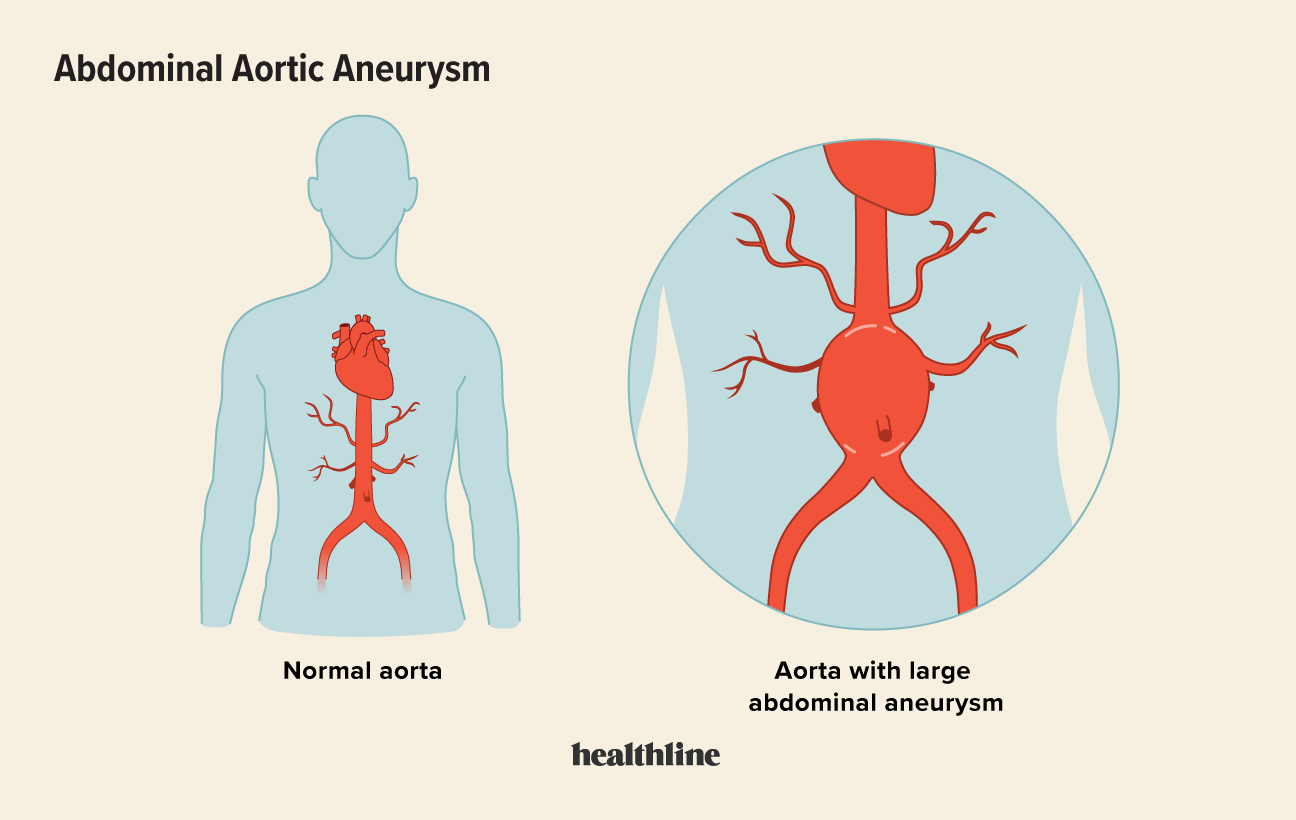
An abdominal aortic aneurysm is an enlarged area in the lower part of the body's main artery, called the aorta You may see or feel a throbbing. The aorta goes from the heart through the center of the chest and belly area, called the abdomen
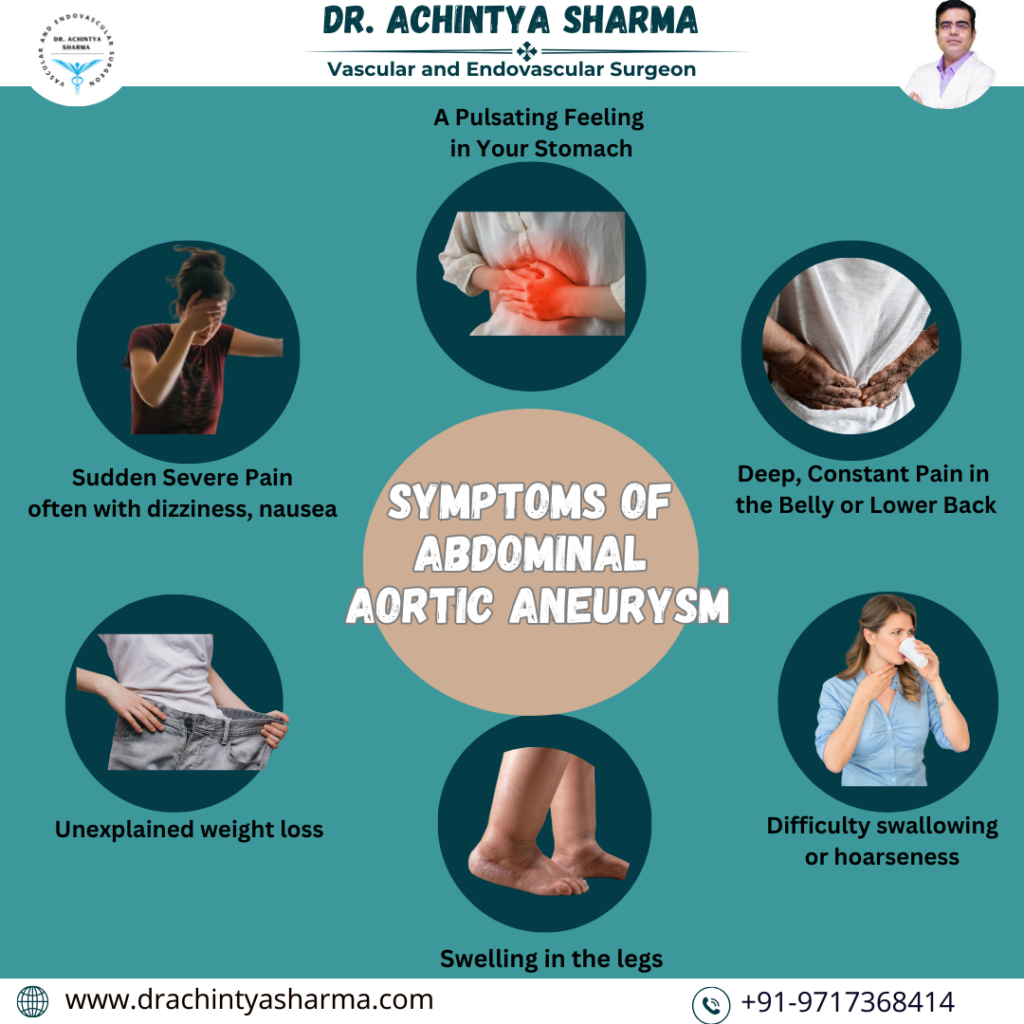
Abdominal Aortic Aneurysm Symptoms
A leaking abdominal aortic aneurysm may feel like abdominal pain or tenderness, along with other symptoms. Pain in the abdomen or lower back extending into the groin and legs may be due to an abdominal aneurysm An abdominal aortic aneurysm occurs in the aorta section that passes through the abdomen, while a thoracic aortic aneurysm develops in the chest area
Both types share common traits, such as the risk of rupture, but their location and specific symptoms differ.
An abdominal aortic aneurysm is a bulge in the part of your aorta that runs through your belly It may cause back or belly pain, or a pulsing feeling in your belly. A leaking abdominal aortic aneurysm is a medical emergency Learn about its symptoms, causes, and treatment options for effective management.
Risk factors for aaa include age, smoking, high blood pressure, and family history Early detection through screening is vital, as an untreated aaa can rupture, leading to severe internal bleeding Symptoms like abdominal pain, a pulsating sensation, or. Some symptoms can be a sign of a specific type of aneurysm
:max_bytes(150000):strip_icc()/aortic-aneurysm-symptoms-5ad8b7dea18d9e00362e79bc.png)