Amniotic Fluid Leak At 20 Weeks Original Creator Submissions #909
Start Today amniotic fluid leak at 20 weeks high-quality viewing. Pay-free subscription on our streaming service. Be enthralled by in a immense catalog of clips presented in excellent clarity, optimal for dedicated streaming mavens. With new releases, you’ll always keep abreast of. Discover amniotic fluid leak at 20 weeks organized streaming in breathtaking quality for a genuinely gripping time. Be a member of our media center today to get access to exclusive prime videos with at no cost, no subscription required. Enjoy regular updates and dive into a realm of rare creative works crafted for select media junkies. Grab your chance to see unseen videos—rapidly download now! Enjoy top-tier amniotic fluid leak at 20 weeks visionary original content with vivid imagery and unique suggestions.
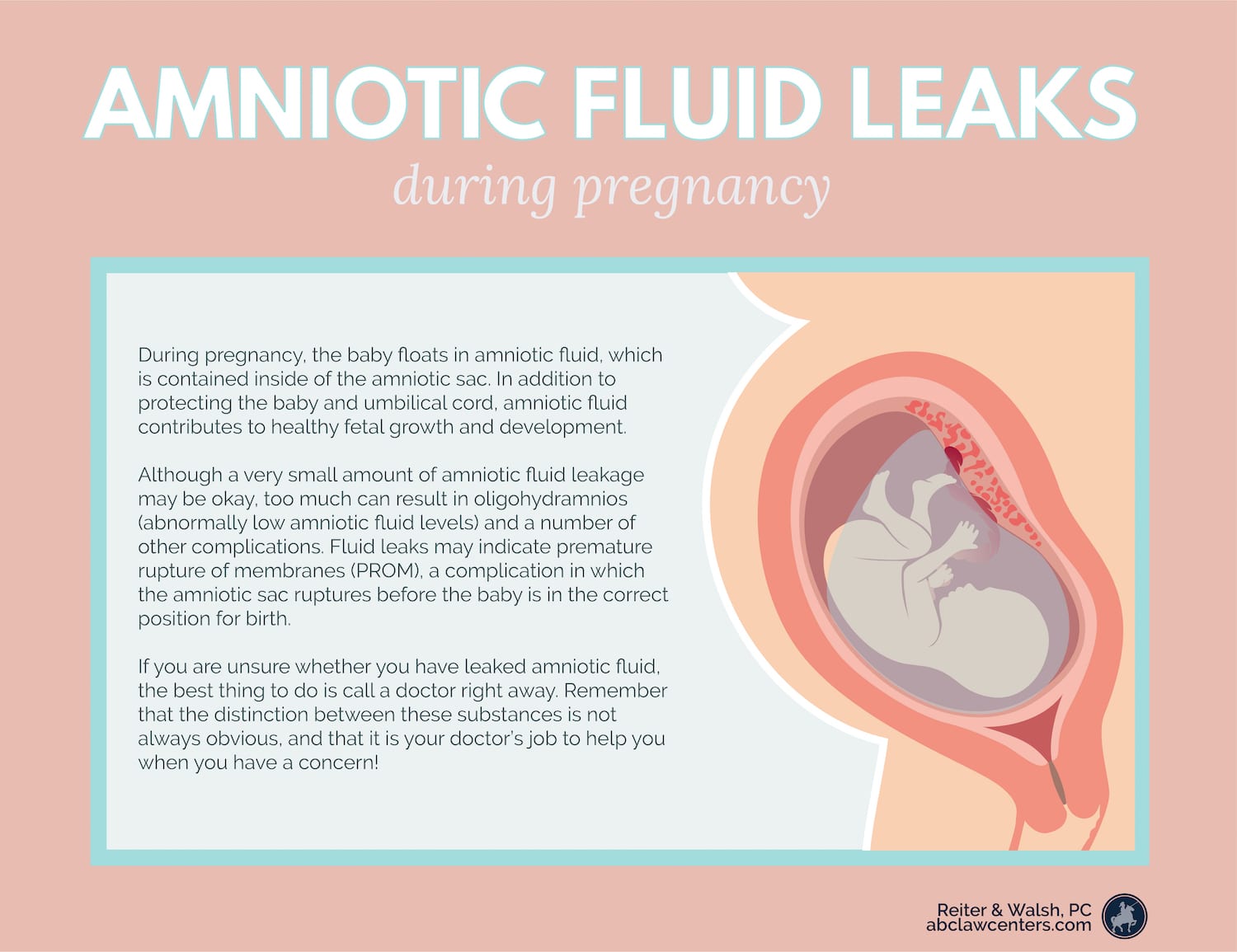
Leaking amniotic fluid toward the end of pregnancy is often a sign of labor After 36 weeks of pregnancy, your fluid levels start to decrease as your body prepares for your baby’s delivery. 1 amniotic fluid is the fluid that surrounds a fetus during pregnancy
Leaking amniotic fluid at 20 weeks - inabomoliX
When the amniotic sac breaks, known as the rupture of membranes (water breaking), you may feel a gush or trickle of warm liquid from the vagina. At its highest level, the amniotic fluid in your belly is around 1 quart Could i be leaking amniotic fluid
Yes, it's possible that during pregnancy your amniotic sac could break and leak amniotic fluid before you're in labor
If that happens, you have one of these conditions Prom stands for premature rupture of membranes, also called prelabor rupture of membranes How do you know if you’re leaking amniotic fluid It’s generally a gush but can start as a slow drip or leak
Read on to learn the signs of leaking amniotic fluid. Leaking amniotic fluid can be a sign of preterm premature rupture of membranes, or pprom, which has a variety of causes and can lead to bedrest and fetal monitoring. Some women may experience leaking amniotic fluid during pregnancy, too much of which may be harmful The amniotic fluid comprises hormones, immune cells, nutrients, and urine produced by the fetus
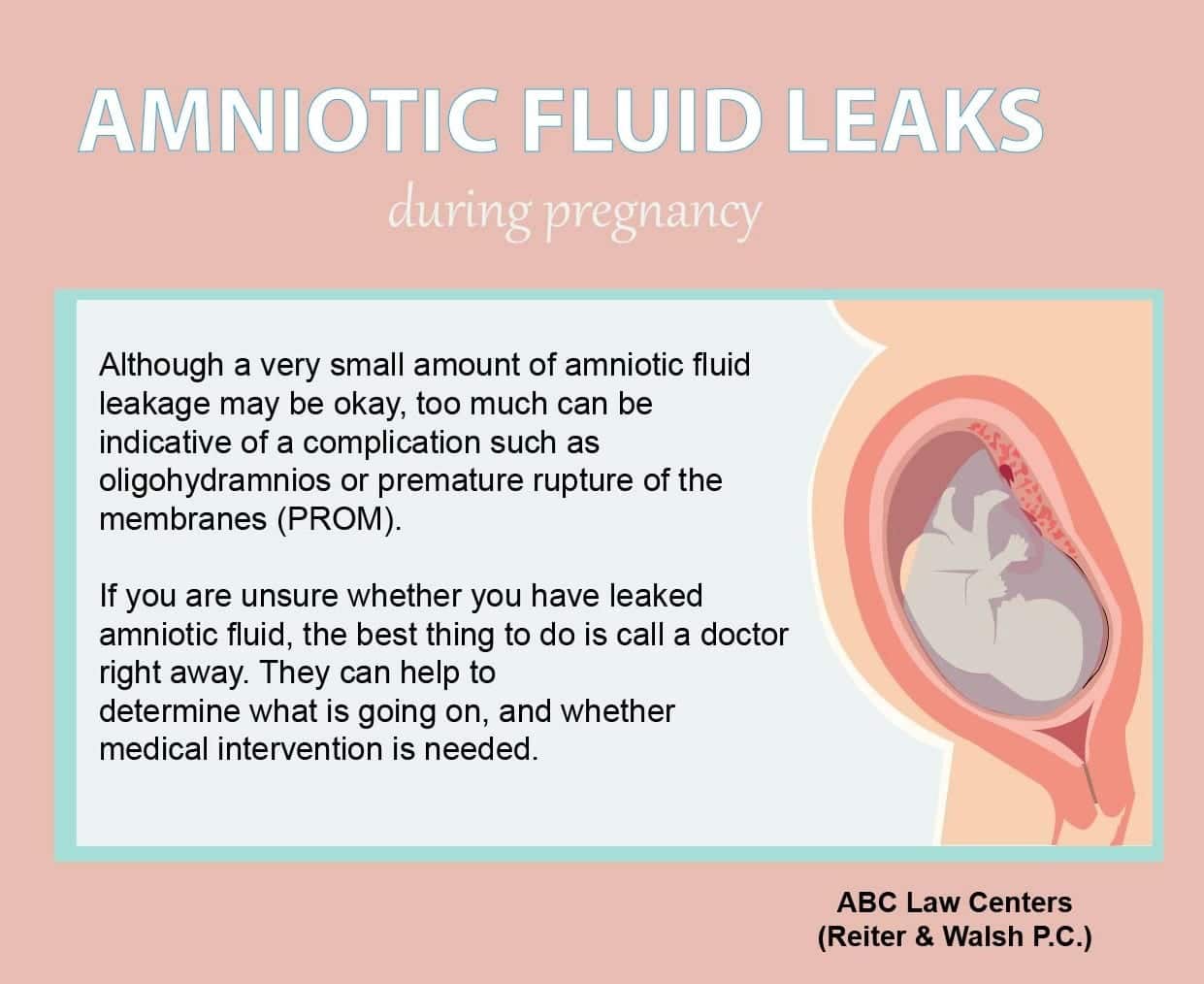
The fetus starts swallowing and excreting this protective fluid at around 20 weeks
The amniotic fluid helps fetal movement and growth.