Are There Only Two Genders 2026 Content Release #696
Enter Now are there only two genders curated digital media. Pay-free subscription on our entertainment center. Experience the magic of in a sprawling library of videos exhibited in excellent clarity, essential for high-quality streaming geeks. With content updated daily, you’ll always keep abreast of. Seek out are there only two genders selected streaming in high-fidelity visuals for a sensory delight. Get into our content collection today to enjoy one-of-a-kind elite content with without any fees, access without subscription. Enjoy regular updates and investigate a universe of special maker videos perfect for exclusive media connoisseurs. Make sure you see hard-to-find content—get it fast! Enjoy top-tier are there only two genders one-of-a-kind creator videos with stunning clarity and editor's choices.
The meaning of there is in or at that place —often used interjectionally They’re is a contraction of “they are.” How to use there in a sentence
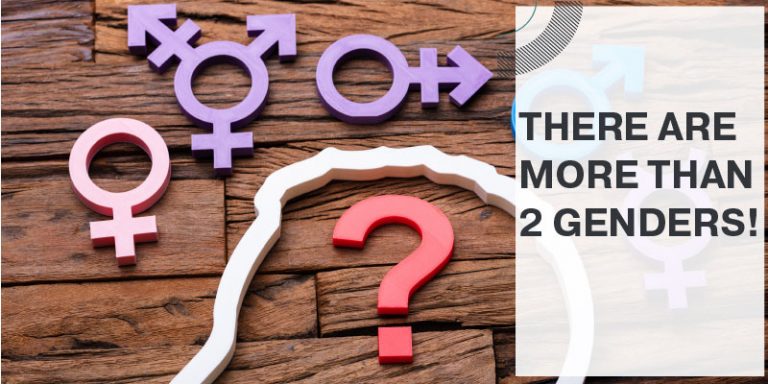
There are more than 2 genders! – HRWize
In this article, we’ll explain the meanings of their, there, and they’re, how to use each word correctly, and provide example sentences for each term Their is a possessive adjective (like “my,” “your,” “her” etc.) We’ll also give some tips on how to remember how each one is spelled.
(to, at, or in) that place
There, their, and they're sound similar, but they have very different meanings It is important to understand the difference between these words because using the wrong one is considered a basic mistake. When do we use “there” While “their” is a seemingly simple word, with two distinct uses and a clear meaning, “there” is a little bit more complex, in regard to the contexts where it may appear
To be clear, “there” is mainly used as an adverb, expressing a location or a particular place. “there,” “their,” and “they’re” all sound the same, so what’s the difference Learn the meaning behind these three words and how to use them correctly. Although they are pronounced in the same way, there, their and they’re have different meanings
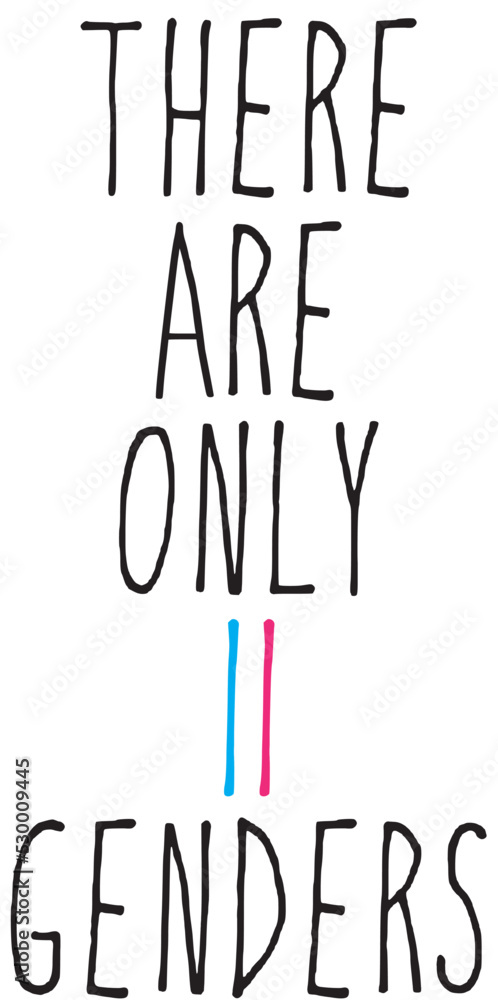
There is often used with “is”/“are” to state that something exists